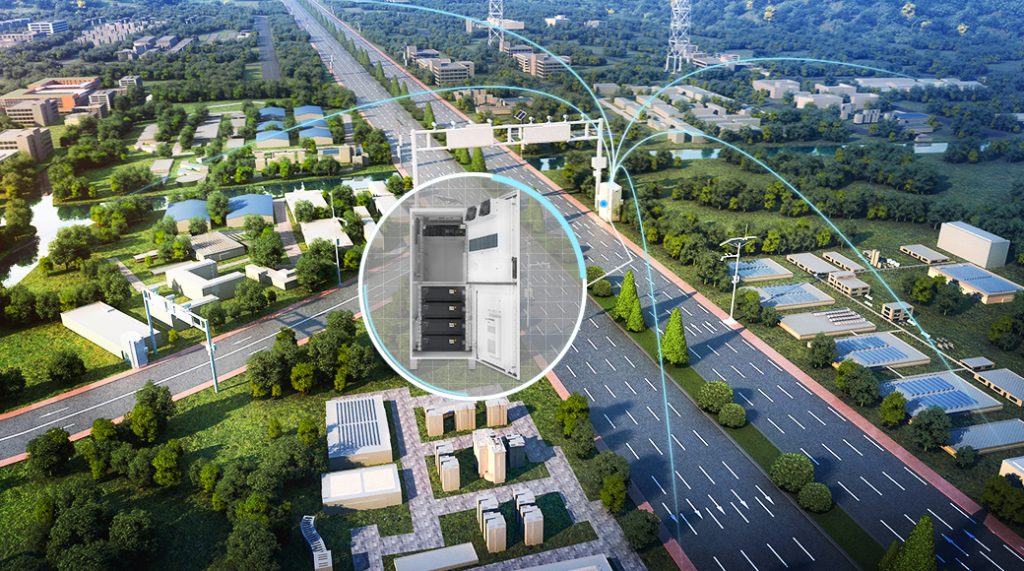
A UPS sized for day-one load is either too small within two years or too expensive today. That dilemma is why modular UPS frames — cabinets that scale by plugging in 25–50 kW power modules — have become the default for data centers, factories and telecom sites that expect to grow.
Availability by design
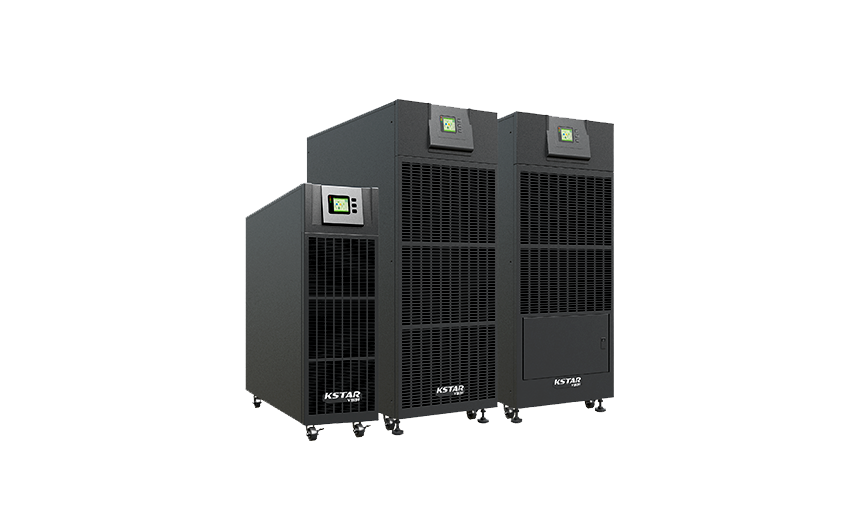
In a modular frame, redundancy lives inside the cabinet: with N+1 modules running, a failed module is hot-swapped in minutes without ever transferring to bypass. Modern frames distribute control across modules instead of relying on a single central board, so there is no single point of failure between the modules and your critical bus.
Efficiency at part load
Facilities rarely run at full capacity, and that is where modular systems earn their keep. The controller activates exactly as many modules as the load requires and keeps them in their efficiency sweet spot; in double-conversion mode, current-generation modules reach 96–97% efficiency, with eco modes pushing beyond 99% where the load profile allows it.
Sizing rules of thumb
- Plan the frame for the five-year peak, populate it for today — the frame itself is the long-term asset.
- Keep N+1 module redundancy from the first module set, not as a later retrofit.
- Match battery autonomy to your real recovery time; 10–15 minutes covers most generator-start scenarios.
- Verify serviceability: front-access hot-swap modules and top or bottom cable entry save floor space and downtime.
Vertiv, Huawei, KSTAR and Delta all offer modular lines spanning 25 kW modules to multi-megawatt parallel systems, so nearly any growth plan can be covered by a single scalable platform. For facilities planning their next upgrade, the question is shifting from “how big should the UPS be” to “how gracefully can it grow”.
Real-world numbers: what modular saves you by year five
Consider a 200 kW facility planning to reach 400 kW in four years. The monolithic path: buy 400 kW today (capital sits idle at 50% load, where efficiency sags), or buy 200 kW and face a forklift replacement — downtime included — mid-plan. The modular path: install the 400 kW frame with 200 kW of modules (N+1), then hot-swap in additional modules during scheduled windows. No downtime, no stranded capital, and the frame itself carries the warranty across the whole journey.
Efficiency also tracks load better on modular platforms. Modern 25–50 kW modules hold 96–97% efficiency in double-conversion mode across a wide load band, while a lightly loaded monolithic unit can drop several points below that. Over five years at partial load, that difference alone often covers the modular frame premium.
Where modular is the wrong answer
Honesty first: below 40 kVA with a fixed load, modular is over-engineering. A quality monolithic tower or rack UPS costs less, has fewer connection points, and modern units are equally reliable at that scale. Same for sites where the load is genuinely static — a fixed telecom DC plant or a small edge cabinet does not need hot-swap anything. Modular earns its premium when both of these are true: the load will grow, and downtime during that growth is unacceptable.
If your growth is in the telecom DC or edge-data-center direction rather than classic IT, compare rectifier-based architectures instead — our 48V DC guide explains when -48V DC beats AC UPS outright.
Choosing a modular platform: four specs that matter more than the brochure
- Module granularity and N+1 economics: 25 kW modules let you match capacity tightly; 50 kW modules mean fewer units but coarser steps. Price the frame plus modules, not the frame alone.
- Shared vs centralized control: distributed CAN-bus control between modules removes the single master-controller failure point.
- Battery flexibility: can the platform take VRLA today and LiFePO4 later without changing the rectifier/charger cards?
- Footprint and front access: 600 mm depth with front-only service fits more sites than 900 mm rear-access frames.
We supply and compare Vertiv, Huawei, KSTAR and Delta modular lines from 25 kW frames to multi-megawatt systems — our KSTAR vs Huawei UPS breakdown covers two of the most requested platforms in the 40–120 kVA band.
Q: What size facility justifies a modular UPS?
As a rule of thumb: above 40–60 kVA with any credible growth path. Below that, a quality monolithic unit is cheaper and simpler. Between 40–100 kVA with flat load, both work — price the total ten-year cost including battery replacement and efficiency before deciding.
Q: Can I mix old and new power modules in one modular UPS frame?
Within the same module generation, yes — that is the point of the architecture. Across generations, check the vendor’s compatibility statement: most platforms guarantee at least a decade of module availability, but mixing a 10-year-old module with a current one may force the system to derate to the older module’s specs. Plan module refreshes in sets.
Q: How much extra does N+1 module redundancy cost?
One extra module beyond your capacity need — typically 15–25% more module capex. Because modules are the expensive part and the frame is shared, N+1 on modular costs far less than buying a second parallel monolithic system, while giving you the same tolerance for any single failure.
Q: Do modular UPS units really hot-swap without downtime?
Yes — power modules and many control modules slide out on rails with the system on-line, load riding on the remaining modules. Batteries and input/output breaker work, however, are NOT hot-swappable and need scheduled windows. Confirm which components are truly hot-swap before signing the order.