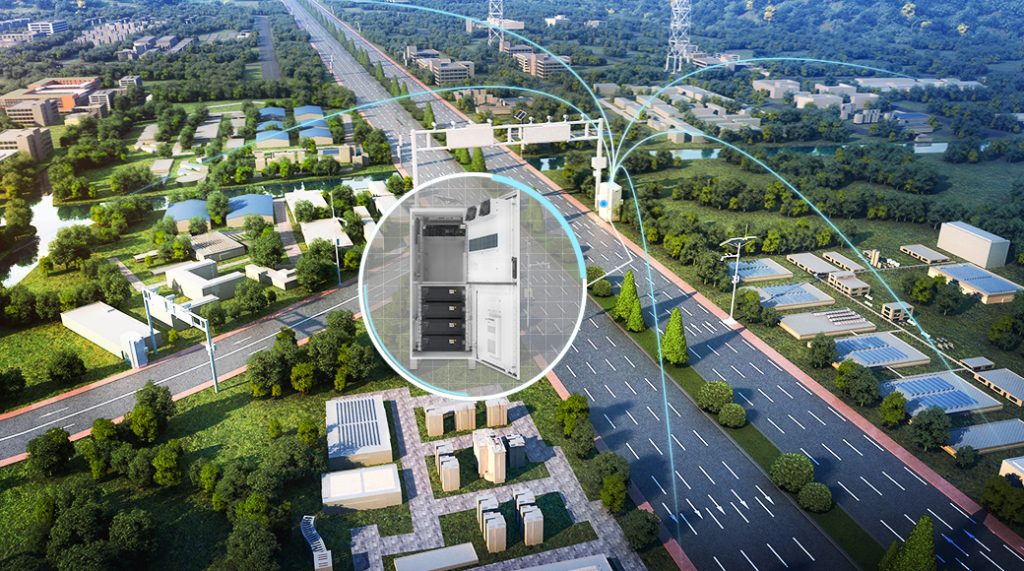
A UPS sized for day-one load is either too small within two years or too expensive today. That dilemma is why modular UPS frames — cabinets that scale by plugging in 25–50 kW power modules — have become the default for data centers, factories and telecom sites that expect to grow.
Availability by design
In a modular frame, redundancy lives inside the cabinet: with N+1 modules running, a failed module is hot-swapped in minutes without ever transferring to bypass. Modern frames distribute control across modules instead of relying on a single central board, so there is no single point of failure between the modules and your critical bus.
Efficiency at part load
Facilities rarely run at full capacity, and that is where modular systems earn their keep. The controller activates exactly as many modules as the load requires and keeps them in their efficiency sweet spot; in double-conversion mode, current-generation modules reach 96–97% efficiency, with eco modes pushing beyond 99% where the load profile allows it.
Sizing rules of thumb
- Plan the frame for the five-year peak, populate it for today — the frame itself is the long-term asset.
- Keep N+1 module redundancy from the first module set, not as a later retrofit.
- Match battery autonomy to your real recovery time; 10–15 minutes covers most generator-start scenarios.
- Verify serviceability: front-access hot-swap modules and top or bottom cable entry save floor space and downtime.
Vertiv, Huawei, KSTAR and Delta all offer modular lines spanning 25 kW modules to multi-megawatt parallel systems, so nearly any growth plan can be covered by a single scalable platform. For facilities planning their next upgrade, the question is shifting from “how big should the UPS be” to “how gracefully can it grow”.